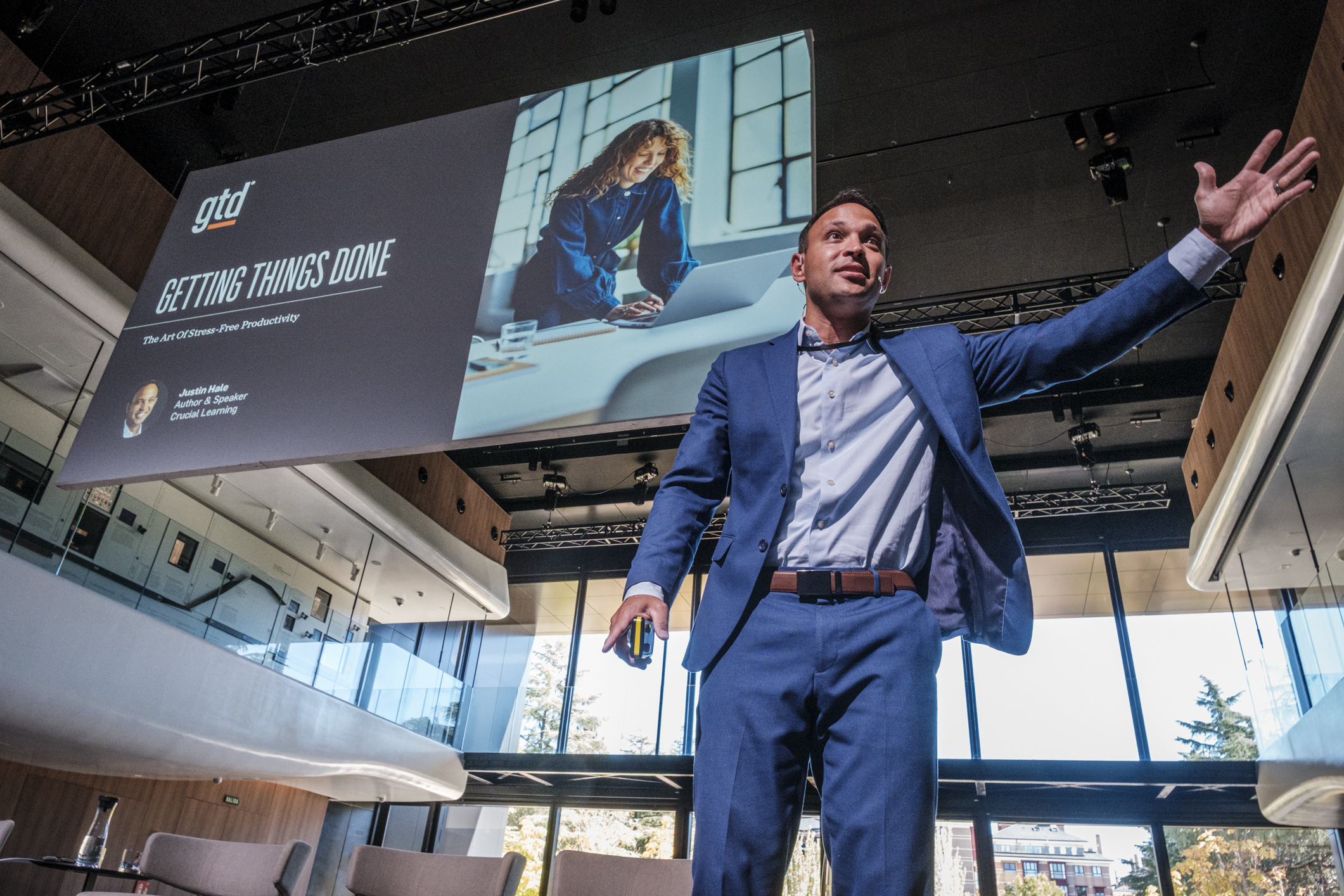
Justin Hale: "We are all very busy, but we are not always productive. The difference lies in how we relate to our tasks."
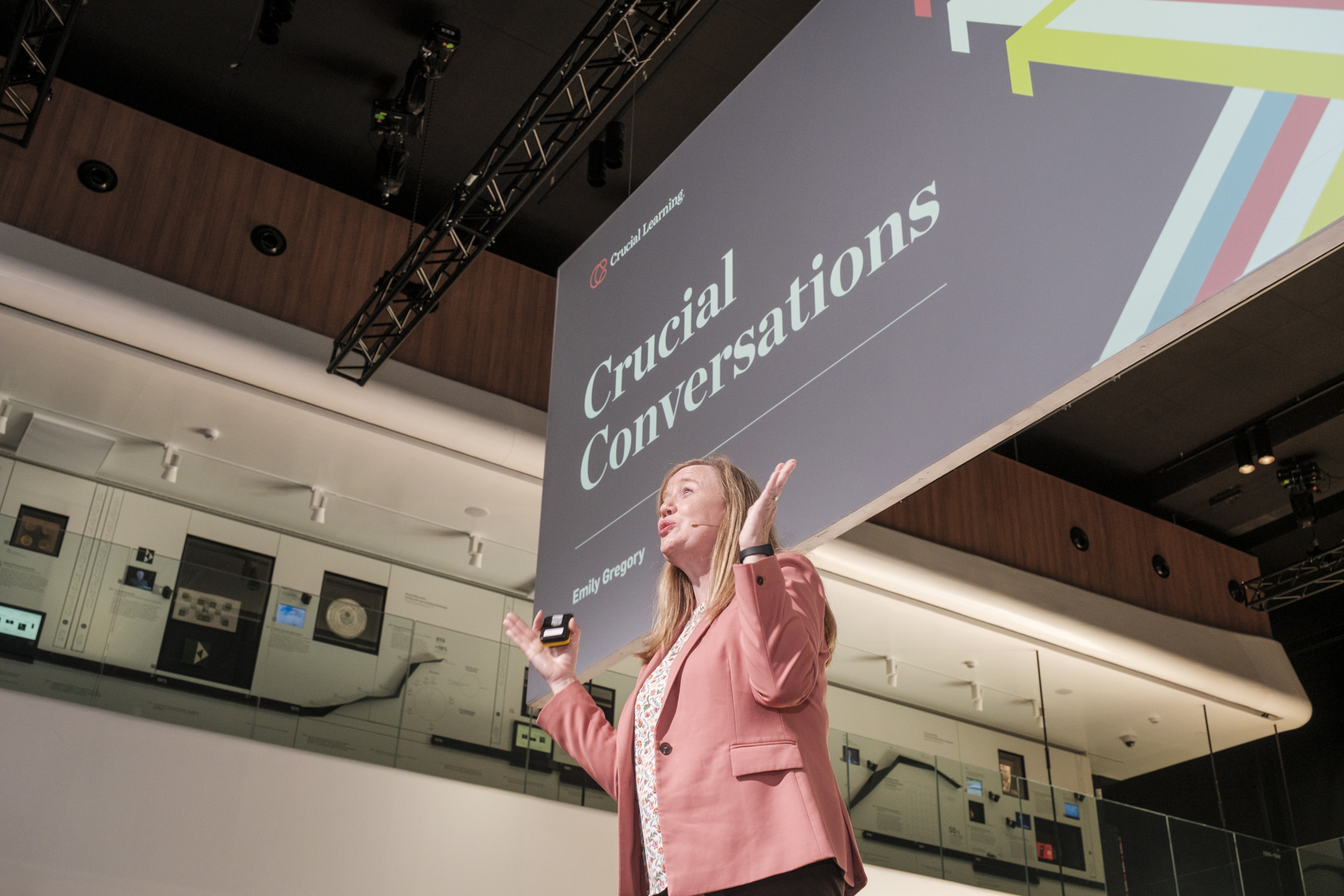
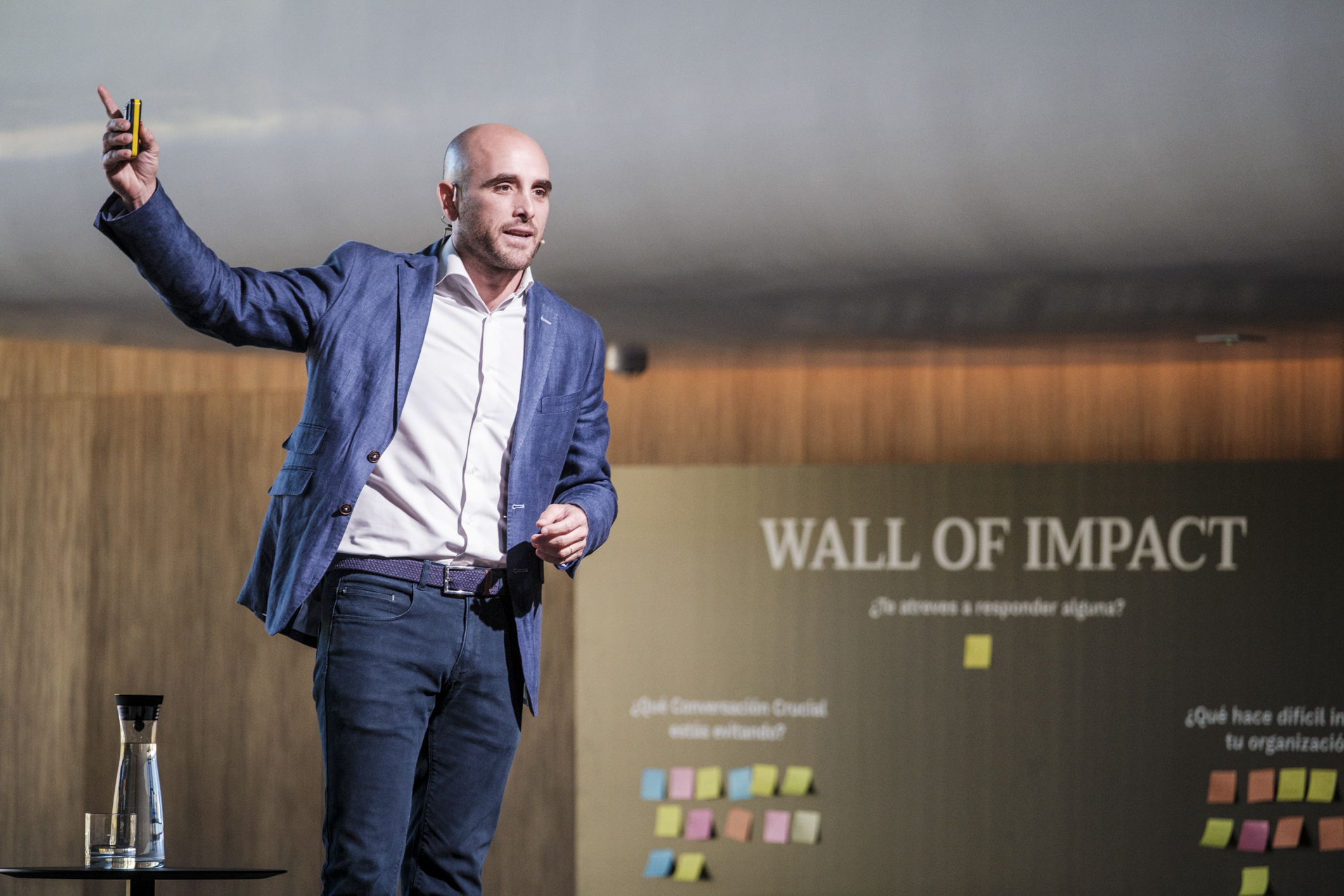
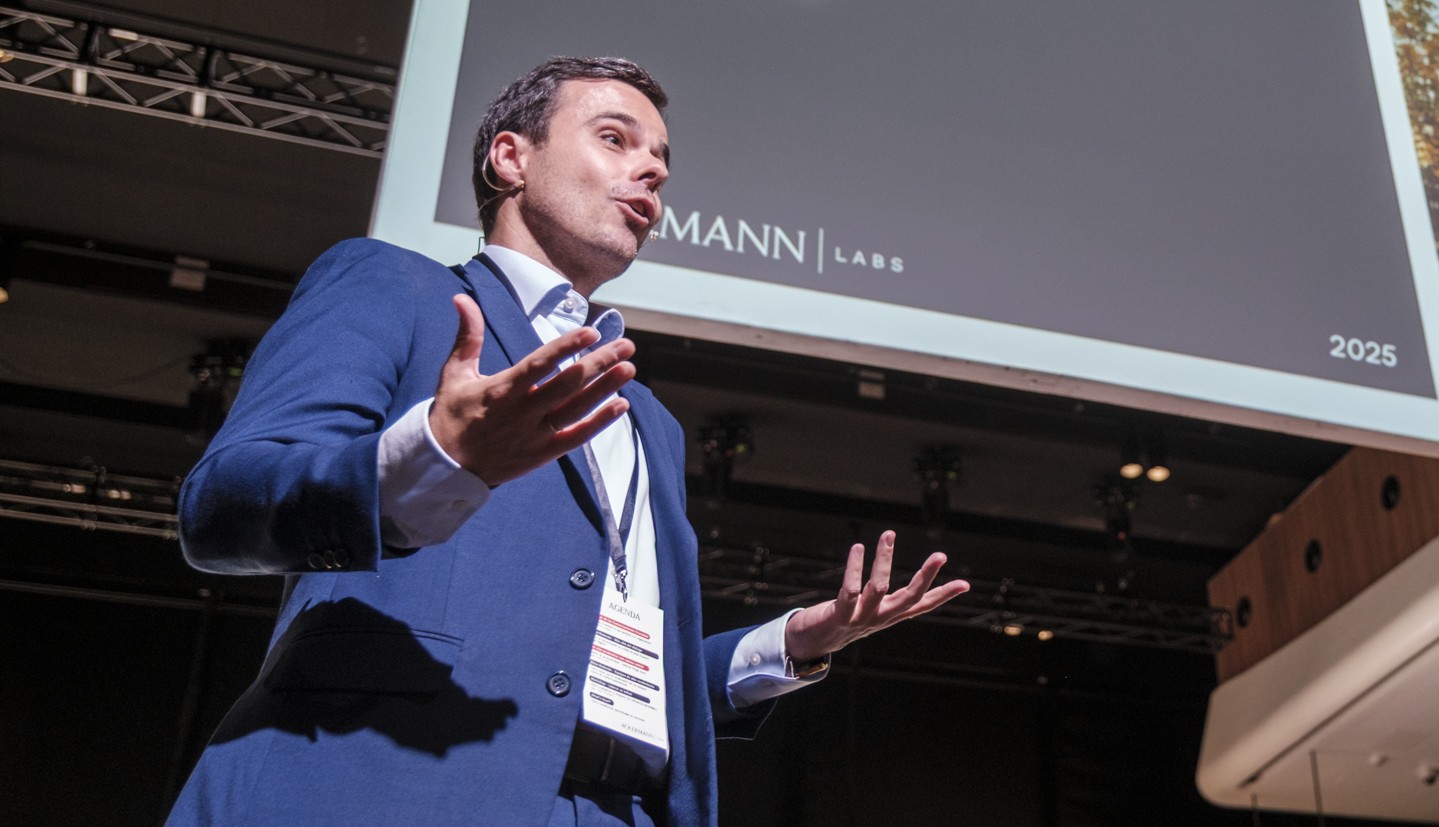
Unread emails, endless meetings, shifting priorities, and never-ending to-do lists. These are daily scenes in many organizations, where information overload and a lack of focus ultimately undermine the performance and well-being of both professionals and teams. This was the warning from Justin Hale, a productivity and Getting Things Done (GTD) expert, during his presentation at the Crucial Impact Summit Madrid, an event organized by Ackermann Labs, a training and skills development consultancy within the Ackermann Group.The Challenge of Achieving Results Without BurnoutDrawing on findings from over three decades of research, Hale explained that the average professional receives "about 300 pieces of content daily—audios, messages, notes—plus approximately 121 emails and 34 gigabytes of information." According to the expert, this overload causes "most professionals to have hundreds or thousands of unprocessed emails in their inboxes."For Hale, the key is not having more time, but acquiring better skills: "It’s easy to work all day and all night to get things done; the hard part is figuring out how to do the right things without getting so stressed that you no longer want to keep working. If you had 26 hours instead of 24, you would spend those two extra hours the same way you spend the others. You need better skills, not more time."The Five ‘Diseases’ of ProductivityDuring his presentation, Hale identified the five major productivity problems that cause workplace stress:Too much to do: “The volume of tasks is overwhelming me. I have too much on my plate.”Disorganization: “I’m disorganized. I can’t find what I need. I have a hundred sticky notes and I don’t know where I put that specific task. I’m always looking for the perfect productivity app… and I still haven’t found it.”Excessive meetings: “I don’t work; I just go to meetings.”Being busy but not productive: “I start the day with a beautiful to-do list and all the motivation in the world… but then an emergency arises, a call, something unexpected… and by the end of the day, I’m exhausted, I look at my list, and nothing is done.”Work-life imbalance: “At work, I think about personal things. At home, I think about work. I’m never truly present.”“We start everything but finish nothing. And our organizations don’t pay us to start things; they pay us to finish them,” he noted. In this regard, Hale emphasized that the most organized and productive people are "two to three times more valuable to their teams than the average employee," and therefore, acquiring the right skills "makes a significant difference in both personal and collective performance."Key Principles of the GTD MethodThe specialist presented the steps of the GTD model—capture, clarify, organize, reflect, and engage—as the foundation for sustainable, stress-free productivity:Capture: “Gather everything that demands your attention. But do it intentionally, not by accident. If you have five inboxes, three notebooks, and four note-taking apps, you will lose things. You need a few key places.”Clarify: “People don’t procrastinate because of a lack of time, but because of a lack of clarity. If you clearly define what the next action is, you can start moving forward.”Organize: “Many people use their calendar as a dumping ground for tasks, which leads to saturation. Use the calendar for only three things: time-specific actions, day-specific actions, and day-specific information.”Reflect and Engage: “Take time to review your priorities before jumping into action. The most effective people spend one hour a week reviewing, cleaning up, and prioritizing. It is the most powerful productivity habit.”Your Mind is for Having Ideas, Not Holding ThemOne of the greatest handicaps to our productivity, beyond the excess of unfocused tasks, is that our mind is not a hard drive: “The human mind is made for thinking, creating, and focusing, not for storing tasks. The brain was designed to forget what we have already finished; that’s why constantly remembering pending items is a source of stress and a drain on focus. When you clear your mind—by capturing everything outside of it—you can focus and perform better. No matter the task: if your mind is clear, your performance, quality, and satisfaction go up.”From Vague Projects to Concrete ActionsAmong his practical recommendations for achieving results without burning out, the expert pointed out the importance of transforming vague projects into concrete actions: “You don’t do projects; you execute small actions that lead to a result. If you only write ‘Project X,’ you won’t know where to start. Instead, ask yourself: what is the next physical, concrete, and visible action I can take? The more concrete your task list is, the easier it will be to prioritize.”Context as a Task Classification MethodA single list with an endless enumeration of tasks is another major enemy of productivity. Instead, the expert advised classifying by context or tool: calls, at home, office, computer, errands, agendas... “This way, you reduce search time and increase action time. If you have 15 minutes free, you open your calls list, pick one, and you’re done. Less scrolling through infinite lists, more doing,” he concluded.Productivity with PurposeIn the final part of his talk, Hale summarized the philosophy of Getting Things Done: “The difference between being busy and being productive lies in how we relate to our tasks. GTD is not just about doing more, but about doing more of what matters.” The expert concluded that this approach “provides freedom: the freedom to focus, and to consciously decide what to say yes to and what to say no to.”